The Brand Manager's Bible
Key themes from the book “Strategic Brand Management" by Kevin Keller
Books, Branding, Strategy
1. Understanding Brand Equity
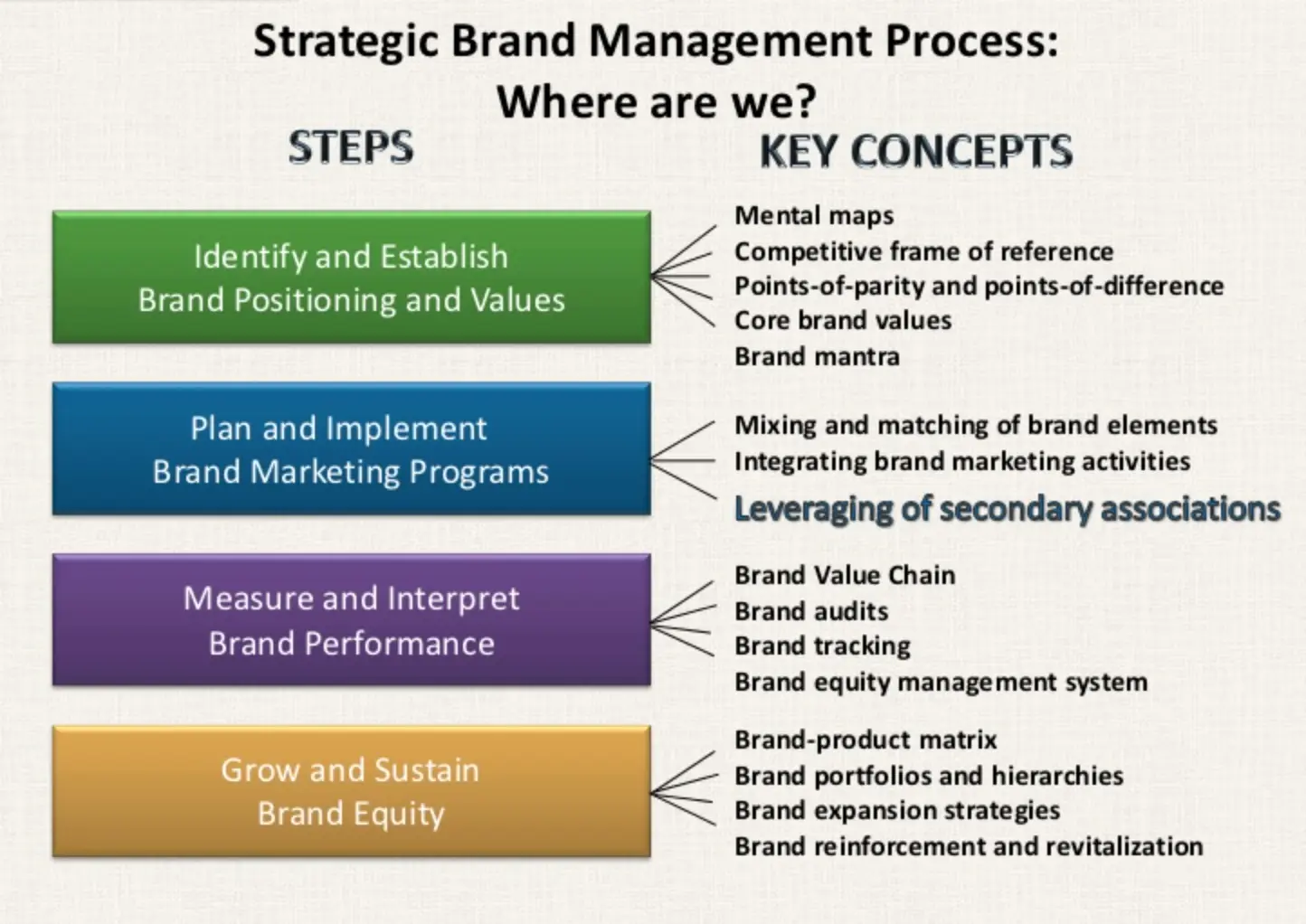
Brand equity is the value that a brand adds to a product or service. It includes brand awareness, brand associations, perceived quality, and brand loyalty. Building strong brand equity is essential for long-term success.
2. Brand Positioning
Effective brand positioning involves creating a unique and compelling image of the brand in the minds of consumers. This requires identifying the target market, understanding their needs and preferences, and developing a positioning statement that highlights the brand's unique value proposition
3. Brand Elements
Brand elements, such as the brand name, logo, slogan, and packaging, play a crucial role in building brand equity. These elements should be memorable, meaningful, and adaptable, and used consistently across all touchpoints.
4. Integrated Marketing Communications (IMC)
IMC involves coordinating all marketing activities to deliver a consistent and cohesive brand message. This includes advertising, public relations, social media, and other marketing channels. An effective IMC strategy ensures that all brand communications work together to reinforce the brand's positioning.
5. Customer-Based Brand Equity (CBBE) Model
The CBBE model focuses on building a strong brand by creating positive brand experiences for customers. This involves understanding customer needs, delivering exceptional value, and creating positive brand experiences that build loyalty and advocacy.
Brand elements, such as the brand name, logo, slogan, and packaging, play a crucial role in building brand equity.
These elements should be memorable, meaningful, and adaptable, and used consistently across all touchpoints.
6. Brand Resonance
Brand resonance refers to the extent to which customers feel a deep, psychological bond with the brand. Achieving brand resonance involves building strong brand awareness, creating positive brand associations, and fostering brand loyalty.
7. Measuring Brand Performance
Regularly monitoring and measuring brand performance is crucial for making informed decisions. Use metrics such as brand awareness, brand loyalty, and market share to assess the brand's performance and identify areas for improvement.
8. Brand Architecture
Brand architecture refers to the structure of the brand portfolio. This includes deciding whether to focus on a single brand or develop a portfolio of brands, and how to manage the relationships between them.
9. Managing Brand Equity Over Time
Brands need to evolve over time to stay relevant. This involves continuously monitoring market trends, consumer preferences, and competitive actions, and making necessary adjustments to the brand strategy.
10. Leveraging Secondary Brand Associations
Secondary brand associations involve leveraging the equity of other entities, such as celebrities, events, or other brands, to enhance the brand's equity. This can help create positive associations and increase brand value.
By applying these insights from "Strategic Brand Management," brand managers can build and maintain strong, successful brands that resonate with consumers and create lasting value.